
Table of Contents
ToggleGood interior design ideas tips can turn any room from forgettable to stunning. Whether someone is redecorating a single room or tackling an entire home, the right approach makes all the difference. Great design isn’t about spending thousands of dollars or hiring expensive professionals. It’s about understanding a few core principles and applying them with intention.
This guide covers practical interior design ideas tips that work for any budget or skill level. From establishing a clear vision to layering lighting and adding personal touches, these strategies help create spaces that feel cohesive, functional, and uniquely personal. Let’s get into it.
Key Takeaways
- Start every interior design project by defining a clear vision and collecting inspiration to identify your personal style preferences.
- Use the 60-30-10 color rule to create visual harmony—60% dominant color, 30% secondary, and 10% accent colors.
- Arrange furniture to create conversation areas and maintain at least 36 inches of clearance for smooth traffic flow.
- Layer three types of lighting—ambient, task, and accent—to add depth, warmth, and functionality to any room.
- Mix textures like glass, metal, natural fibers, and soft fabrics to create visual interest and prevent spaces from feeling sterile.
- Add personality through plants, collected objects, and curated accessories, but edit regularly to avoid clutter.
Start With a Clear Design Vision
Every successful design project begins with a vision. Before buying furniture or picking paint colors, take time to define what the space should feel like. Should it feel calm and minimal? Warm and cozy? Bold and eclectic?
One helpful exercise: collect inspiration images from magazines, Pinterest, or Instagram. After gathering 20-30 images, patterns emerge. Maybe there’s a recurring preference for natural wood tones, or perhaps sleek modern lines keep appearing. These patterns reveal personal style preferences that should guide every decision.
Interior design ideas tips often emphasize function alongside aesthetics. Ask practical questions too. How will the room be used? Who uses it most? A living room for a young family has different needs than one for a retired couple who loves hosting dinner parties.
Write down three words that describe the ideal space. These become a filter for every future choice. When debating between two rugs or light fixtures, refer back to those three words. Does option A or B better match the vision? This simple trick prevents impulse purchases that don’t fit the overall plan.
Choose a Cohesive Color Palette
Color sets the mood for any room. A well-chosen palette creates visual harmony, while random colors make spaces feel chaotic and disconnected.
The 60-30-10 rule offers a reliable framework. Use one dominant color for 60% of the room (typically walls and large furniture pieces). A secondary color covers 30% (curtains, accent chairs, bedding). The remaining 10% goes to accent colors in small decorative items.
Neutral bases work well for those nervous about color. Whites, grays, beiges, and taupes provide flexibility. They allow homeowners to swap accent colors seasonally without repainting or replacing major pieces.
For bolder approaches, start with one statement piece, a vibrant sofa or colorful artwork, and pull accent colors from it. This technique ensures colors relate to each other naturally.
Interior design ideas tips from professionals often mention undertones. Every color has warm or cool undertones. A gray with blue undertones clashes with a beige that leans yellow. Test paint samples on walls and observe them at different times of day. Natural and artificial light change how colors appear dramatically.
Balance Furniture and Layout
Furniture placement affects both function and visual appeal. Too much furniture cramps a room. Too little makes it feel empty and cold.
Start by measuring the room and creating a floor plan. Many free apps and online tools help with this. Knowing exact dimensions prevents buying pieces that don’t fit or overwhelm the space.
Create conversation areas in living rooms. Arrange seating so people can talk comfortably without shouting across the room. In most cases, furniture shouldn’t be pushed against walls. Pulling pieces away from walls, even by a few inches, creates better flow and makes rooms feel larger.
Traffic flow matters too. People should move through rooms easily without bumping into furniture or squeezing through tight gaps. Main pathways need at least 36 inches of clearance.
Interior design ideas tips about scale deserve attention here. Mix furniture of different heights and sizes. A room with all low furniture feels flat. Add tall bookcases, floor lamps, or statement plants to create vertical interest. Balance heavy pieces with lighter ones, a substantial sofa pairs well with delicate side tables.
Layer Lighting for Depth and Function
Lighting transforms rooms more than most people realize. A single overhead fixture creates flat, uninspiring light. Layered lighting adds depth, warmth, and functionality.
Three types of lighting work together. Ambient lighting provides overall illumination, ceiling fixtures, recessed lights, or chandeliers. Task lighting serves specific purposes: reading lamps, under-cabinet kitchen lights, vanity lights in bathrooms. Accent lighting highlights features like artwork, architectural details, or plants.
Every room should include at least two of these layers. Ideally, all three. Dimmer switches add flexibility, allowing adjustment based on time of day or activity.
Interior design ideas tips frequently mention the importance of lampshade color. White or cream shades cast warmer, more flattering light than black or dark shades. Bulb temperature matters too, warm white (2700K-3000K) creates cozy atmospheres while cool white (4000K+) suits workspaces better.
Don’t forget natural light. Keep windows unobstructed when possible. Light-colored curtains diffuse harsh sunlight while still brightening rooms. Mirrors placed across from windows bounce light deeper into spaces.
Add Personality With Textures and Accessories
Textures and accessories bring rooms to life. Without them, even well-designed spaces feel sterile and impersonal.
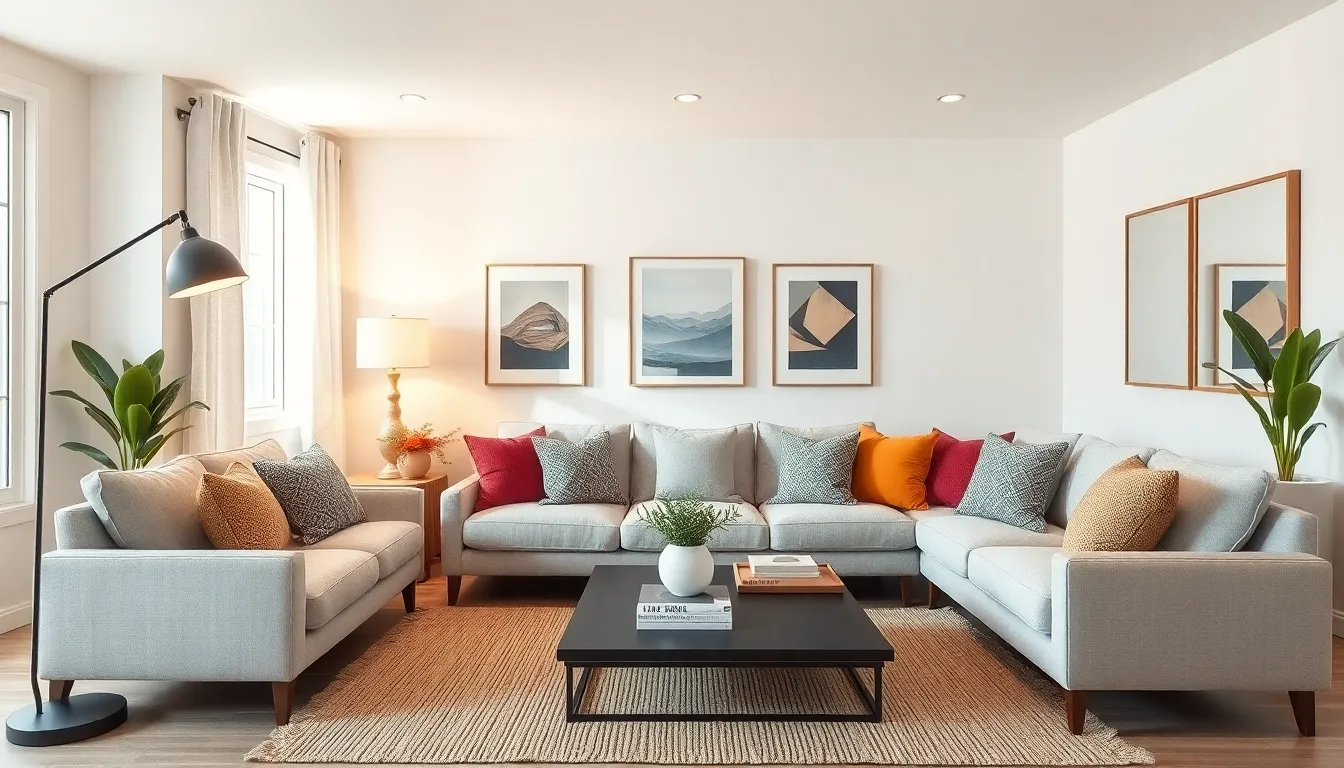
Mix textures throughout the room. Combine smooth surfaces (glass, metal, lacquered wood) with rough ones (natural fiber rugs, woven baskets, raw wood). Soft elements like velvet cushions, wool throws, and plush rugs add warmth and comfort. This contrast creates visual interest that keeps eyes moving around the space.
Accessories tell the story of who lives there. Books, collected objects from travels, family photos, and artwork all contribute personality. But restraint matters, too many accessories create clutter. Group smaller items in odd numbers (three vases, five candles) for better visual impact than random scattering.
Interior design ideas tips about plants deserve special mention. Greenery adds life, color, and texture instantly. For those lacking green thumbs, many low-maintenance options exist: pothos, snake plants, ZZ plants, and succulents thrive with minimal care.
Edit regularly. Rotate accessories seasonally. Remove items that no longer bring joy or fit the vision. Great design evolves over time, and rooms should feel curated rather than accumulated.